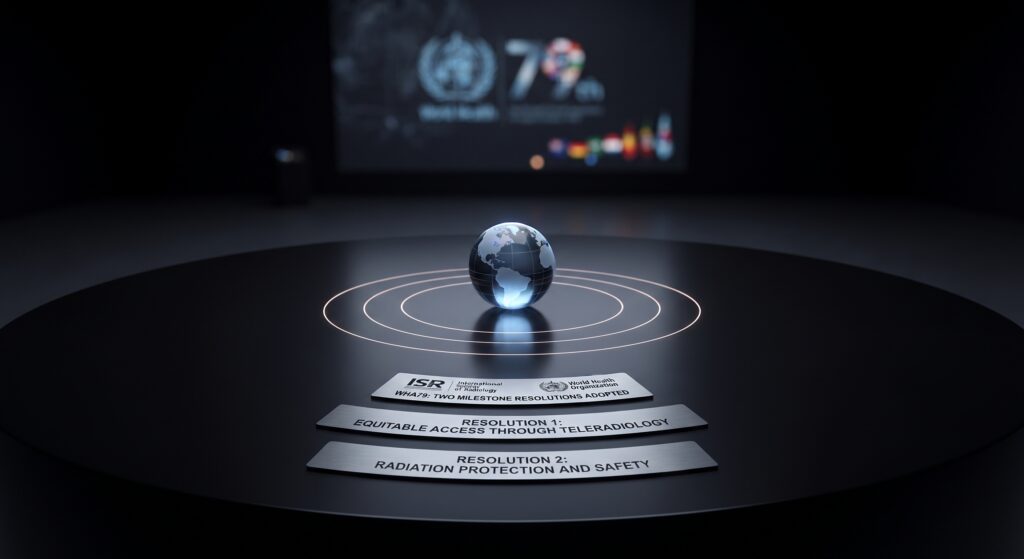
The ISR played an active role at the 79th World Health Assembly (WHA79), held May 18–23, 2026, in Geneva, Switzerland, supporting major policy initiatives that further strengthen access to safe, high-quality diagnostic imaging worldwide.
A significant achievement of this year’s assembly was the adoption of the Resolution on Strengthening Equitable Access to Diagnostic Imaging Through Teleradiology. The resolution recognizes diagnostic imaging as an essential health service and builds upon Resolution WHA78.13 on Strengthening Medical Imaging Capacity, which was adopted in 2025.
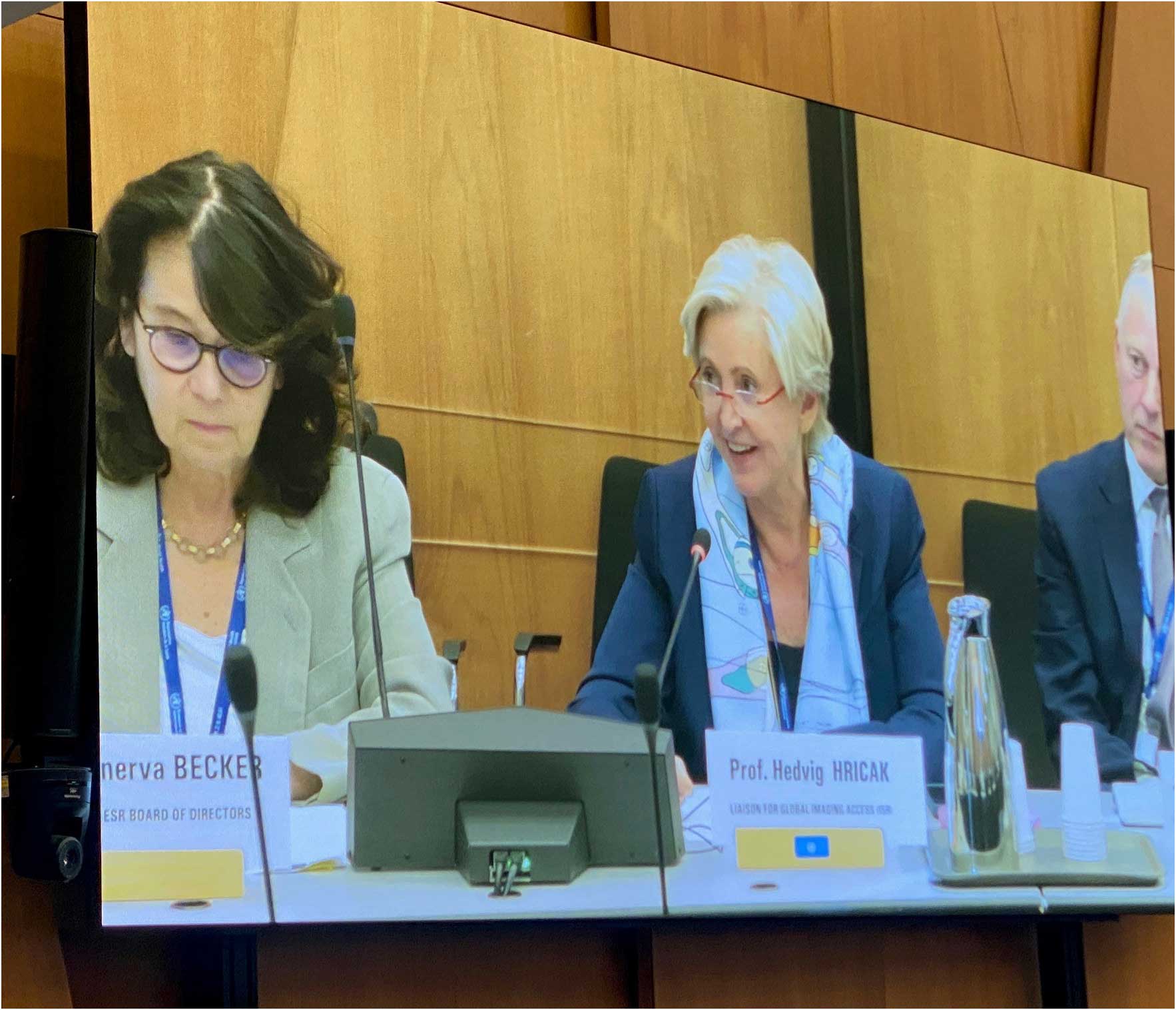
In support of the resolution, the ISR coordinated a constituency statement from Non-State Actors in official relations with the World Health Organization (WHO). ISR Liaison for Global Imaging Access, Prof. Hedvig Hricak, delivered the statement before the Assembly and emphasized the importance of implementing teleradiology as a fully integrated clinical service supported by appropriate standards, governance, quality assurance, workforce training, and patient safety measures.
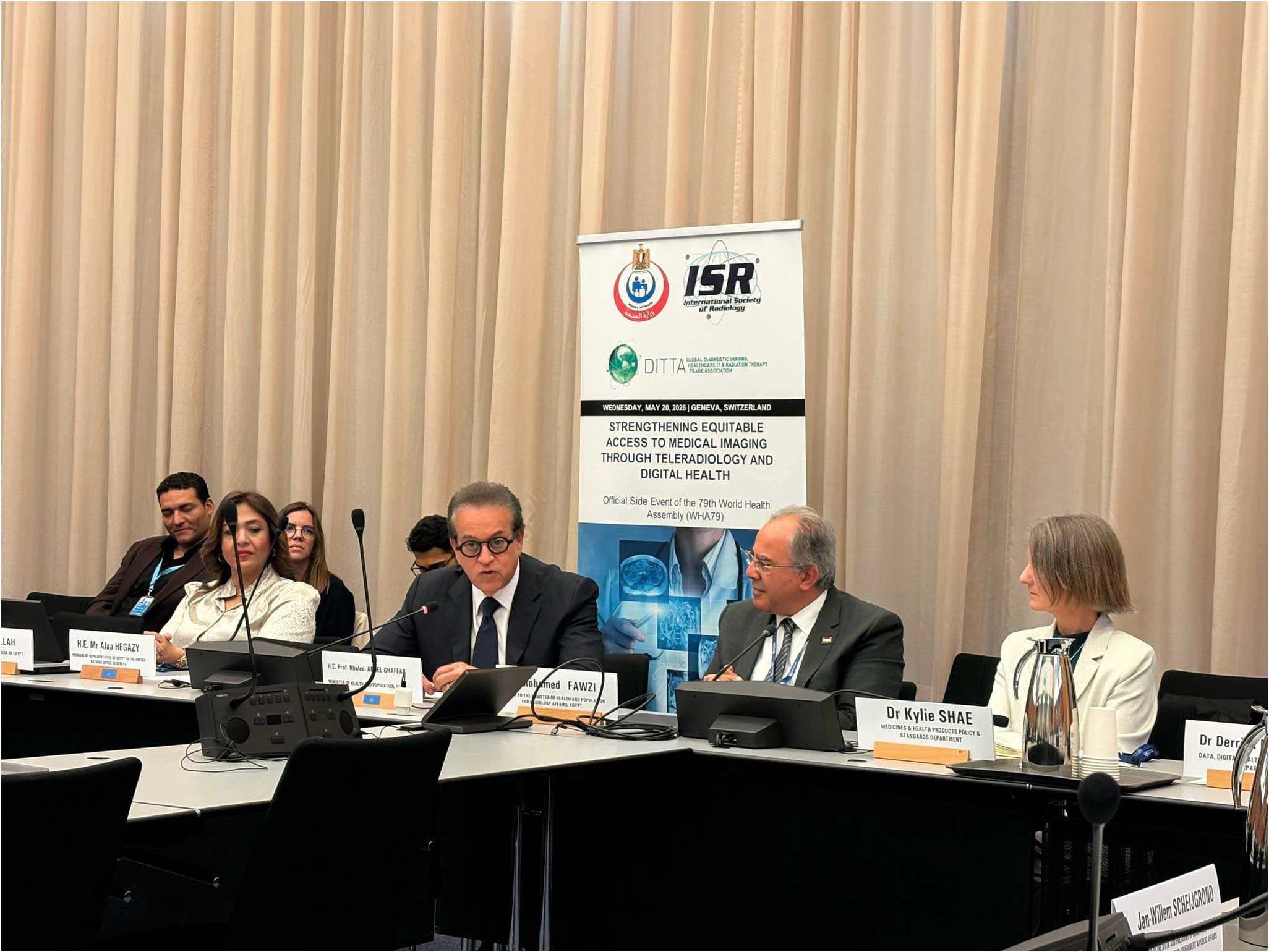
The ISR also partnered with the Ministry of Health and Population of Egypt and the Digital Imaging and Telemedicine Alliance (DITTA) to host an official WHA79 side event focused on translating the resolution into practical implementation strategies. Discussions highlighted the importance of governance frameworks, workforce development, artificial intelligence, digital health solutions, and health system resilience in expanding access to imaging services.
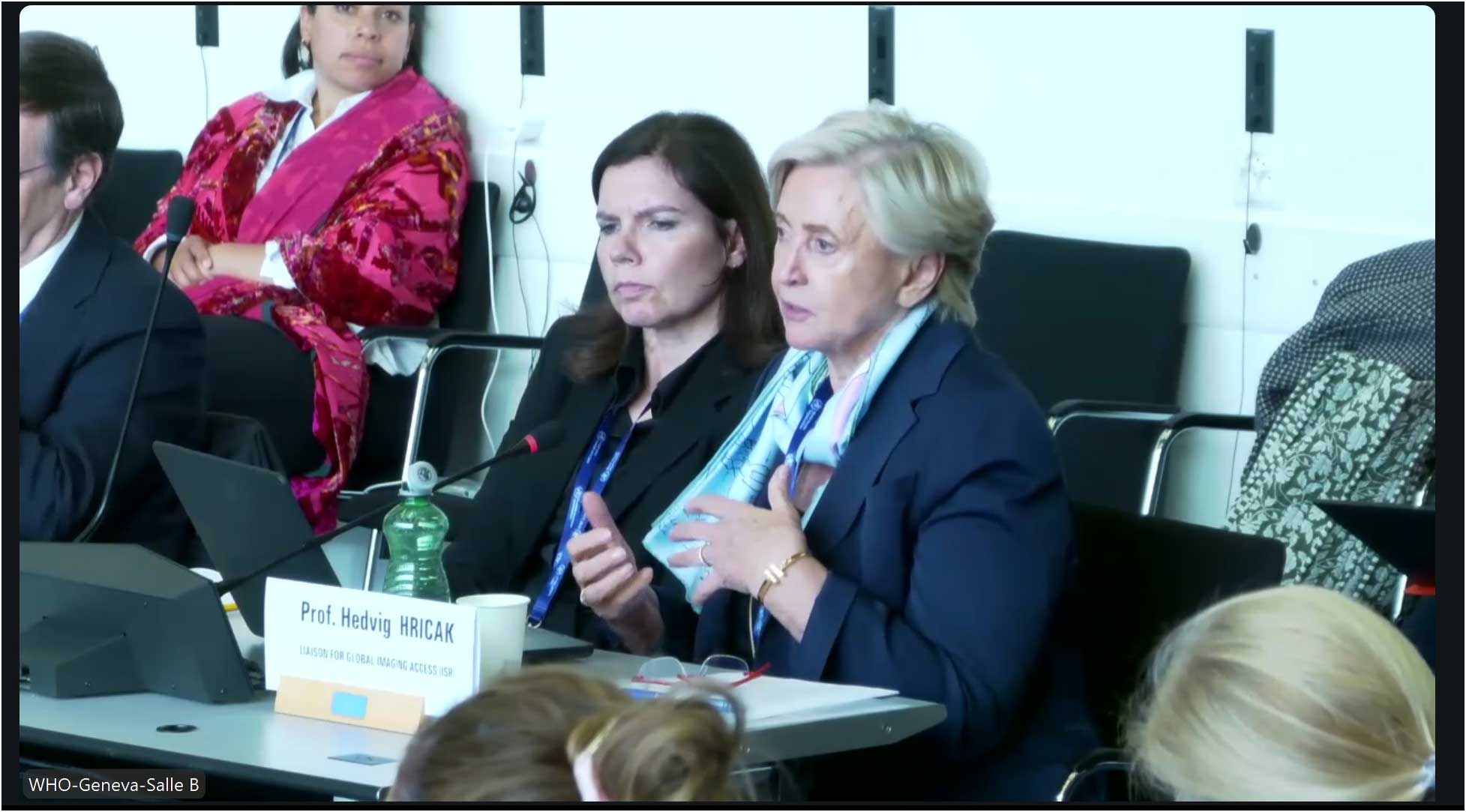
A second important milestone was the adoption of the Resolution on Radiation and Health: Strengthening Global Protection, Preparedness and Response. ISR welcomed the resolution as a critical complement to ongoing efforts to expand imaging capacity worldwide. As access to diagnostic imaging grows, particularly in low- and middle-income countries, ensuring quality, safety, and radiation protection remains essential.
At a WHA79 side event dedicated to radiation and health, Prof. Hricak delivered a statement on behalf of the ISR supporting the resolution and highlighting the need to integrate radiation protection into national healthcare strategies. Through the ISR Quality and Safety Alliance (ISRQSA), the Society continues to collaborate with partners worldwide to advance radiation safety, quality assurance, and patient-centered imaging practices.
Throughout the Assembly, ISR representatives met with policymakers, international organizations, and healthcare leaders to discuss implementation of the 2025 medical imaging resolution and explore opportunities to accelerate progress toward equitable access to diagnostic imaging worldwide. The adoption of both the teleradiology and radiation and health resolutions represents an important step forward in recognizing the central role of diagnostic imaging in healthcare systems and reinforces the growing global commitment to improving access, quality, safety, and patient outcomes through medical imaging.